Platform
The intelligence layer for mass-tort litigation.
Bronson turns the scattered record of a mass-tort matter — filings, medical records, regulatory disclosures, environmental data — into a single structured knowledge graph, and uses it to drive discovery, underwriting, case valuation, and resolution at scale.
The problem
The evidence already exists. It just can’t be seen.
A single matter spans thousands of claimants, millions of pages, dozens of defendants, and decades of records. The facts that decide it are already on paper somewhere.
But the truth is split across non-comparable silos that don’t share keys. The same person, place, product, or exposure is named differently in each, so the records never line up on their own.
From fragments to structure
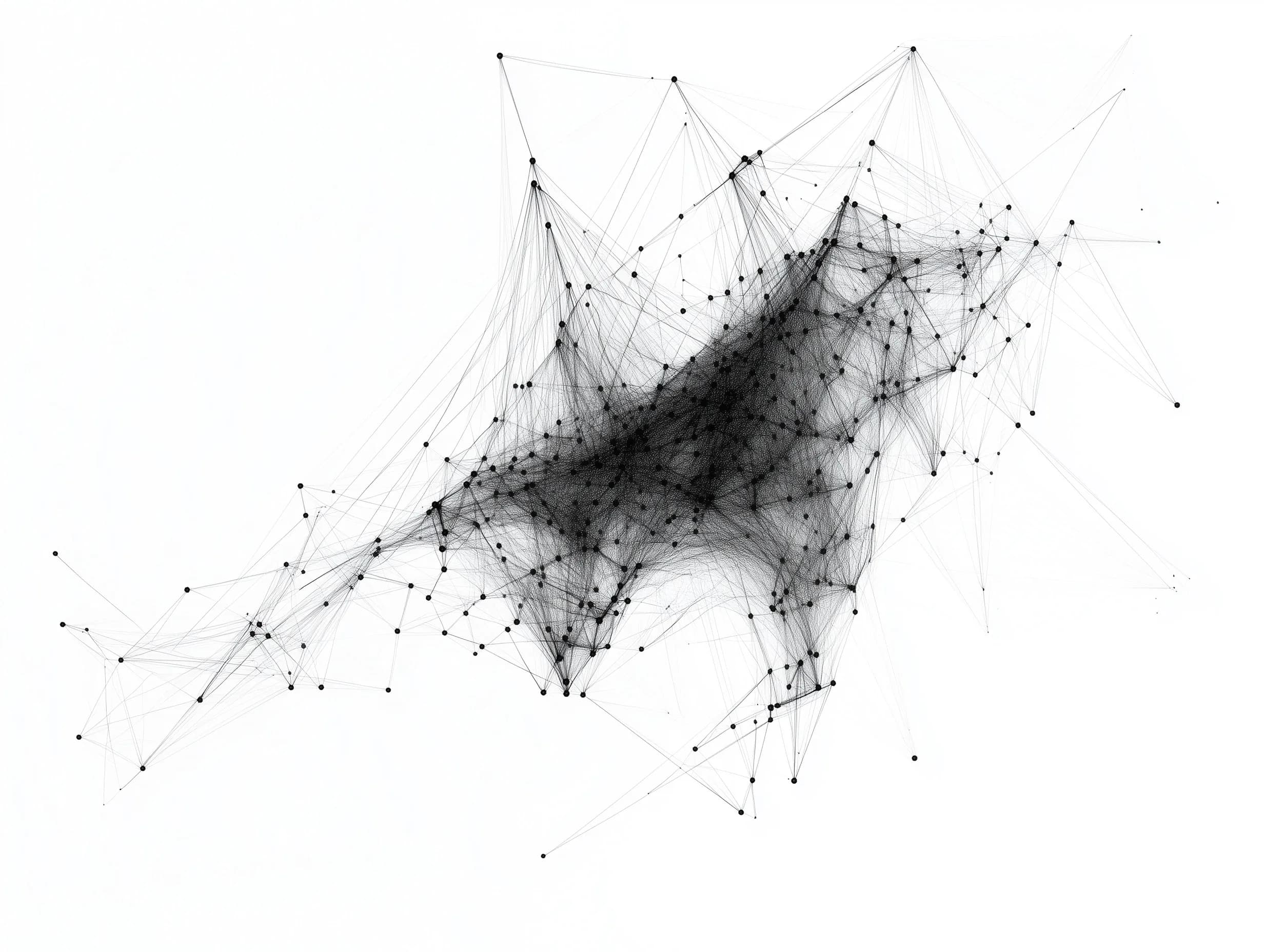
Bronson resolves the same person, place, product, and exposure across every silo and links them into one structured matter.
So the questions that decide a case can’t be answered quickly — who is exposed, to what, when, and by whom; whether a claim is provable; what the portfolio is worth. Execution slows, capital gets more expensive, and strong cases go undiscovered.

Before Bronson
One matter, scattered across systems that were never built to be read together.
How it works
Deep data becomes a decision.
Four moves, in plain terms. Each one takes a specific input, does a specific thing to it, and hands the next move a cleaner artifact — the same story the homepage animates, told here in words.
- 01
Deep data
Ingest
Inputs
PDFs, scans, EHR exports, dockets, regulatory feeds, spreadsheets, third-party datasets.
What Bronson does
Normalize formats, OCR scans, de-duplicate, and timestamp and source every artifact.
Outputs
A clean, addressable corpus for the matter.
- 02
Extraction
Extract
Inputs
The raw corpus.
What Bronson does
Model-driven extraction pulls entities and events into a dated chronology — each field confidence-scored and traceable to its source page.
Outputs
Structured records, not prose.
- 03
Knowledge graph
Connect
Inputs
Extracted entities and events.
What Bronson does
Resolve duplicates across silos and link them: claimant → exposure → facility → defendant → filing → outcome.
Outputs
One queryable graph of the entire matter.
- 04
Output
Act
Inputs
The graph.
What Bronson does
Power discovery, underwriting and valuation, operations, and resolution.
Outputs
Faster filings, priced risk, coordinated claimants, delivered compensation.
Connect · Knowledge graph
What the graph connects.
Connect resolves duplicate entities across silos and links them, so one matter becomes a single queryable shape: claimant, exposure, facility, defendant, filing, and outcome — and how each relates.
Reviewed, not blind
Extraction is checked by people, and every value links back to its source.
Low-confidence fields are routed to expert reviewers rather than accepted on faith, and each extracted value traces to the exact source page it came from. The graph is only as trustworthy as its provenance, so provenance is built in — extraction is reviewed to a measured quality bar.
Act · Output
The matter, made resolvable.
This is the move that pays for the other three: a structured matter you can act on — file faster, price risk, coordinate thousands of claimants, and deliver compensation.
Capabilities
One graph. Four kinds of work.
The same structured matter powers everything from finding a case to paying a claim. Each capability reads the same graph — so the work compounds instead of fragmenting again.
Discover
Find viable matters earlier
Query public records, regulatory filings, environmental data, and ownership structures against known exposure patterns to surface matters and claimants sooner.
Underwrite & value
Price case and portfolio risk
Bring a structured view of claim quality, defendant exposure, and provability to case valuation and litigation-finance diligence.
Operate
Run claimants on a measurable pipeline
Move intake, records collection, deficiency resolution, provider follow-up, and settlement-readiness off spreadsheets and onto a pipeline you can measure.
Resolve
Administer settlements with an audit trail
Track allocations and payments and report to the court, public clients, and capital partners — with an audit trail behind every number.
One graph
Structure the matter once. Then every kind of work reads the same truth.
Who it’s for
Built for everyone who carries a mass-tort matter.
A mass-tort matter passes through many hands. Bronson gives each of them the same structured view — so the work coordinates instead of colliding.

Who it's for
Plaintiff & mass-tort firms
Find, qualify, and operate large claimant populations without losing the thread of any single case.

Who it's for
MDL leadership (PEC / PSC)
Coordinate common evidence and thousands of claimants across firms from one shared, current record.

Who it's for
Litigation funders & capital partners
Diligence and monitor portfolios with structured, current data instead of point-in-time decks.

Who it's for
Public entities
Municipalities, water districts, and states pursuing abatement and recovery at civic scale.

Who it's for
Claimants & communities
The people the work is ultimately for: faster, more consistent compensation for real harm.
Built inside the work
Built inside one of the country’s leading mass-tort practices.
Bronson was developed alongside Napoli Shkolnik, shaped by real bottlenecks across environmental, toxic-exposure, public-health, and consumer matters — thousands of claimants and decades of litigation history.
It was not built around assumptions about litigation. It was built inside it.

Trust & security
The most sensitive information in law, handled accordingly.
Encrypted in transit and at rest
Data is protected on the wire and on disk with managed, rotated keys.
Least-privilege access, logged
Role-based access controls and audit logging — people see only what their work requires.
HIPAA-aligned PHI handling
Protected health information is segregated and access-controlled, kept out of analytics and marketing.
SOC 2 Type II is in progress.
FAQ
Questions teams ask first.
What exactly does Bronson do?
What data can it ingest?
How accurate is the extraction?
Is this a replacement for lawyers?
How does it handle PHI and privacy?
Who is it built with and for?
How do we get started?
See it on a real matter.
The fastest way to understand Bronson is to watch it work on a representative matter — then judge it on your own data.